
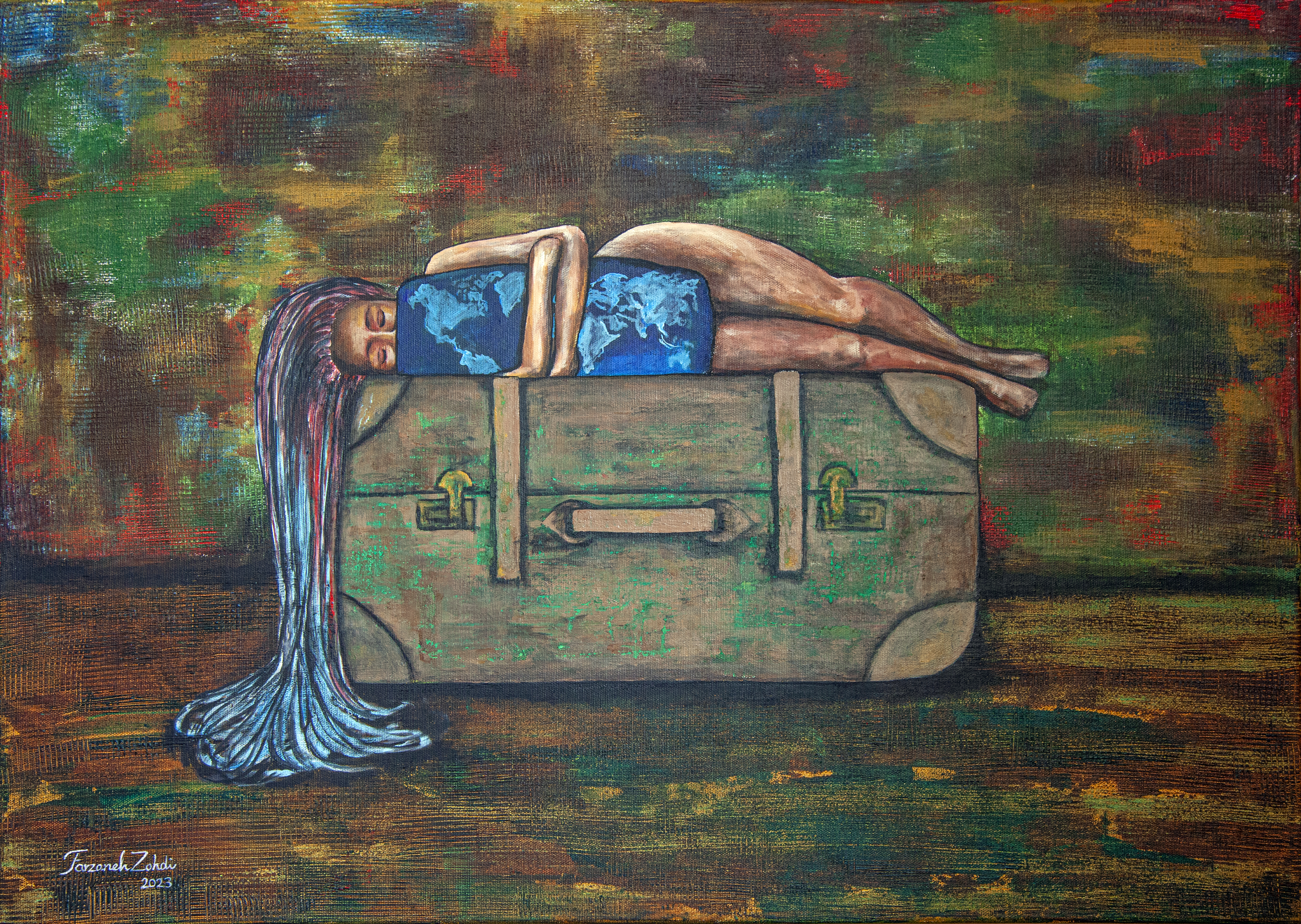
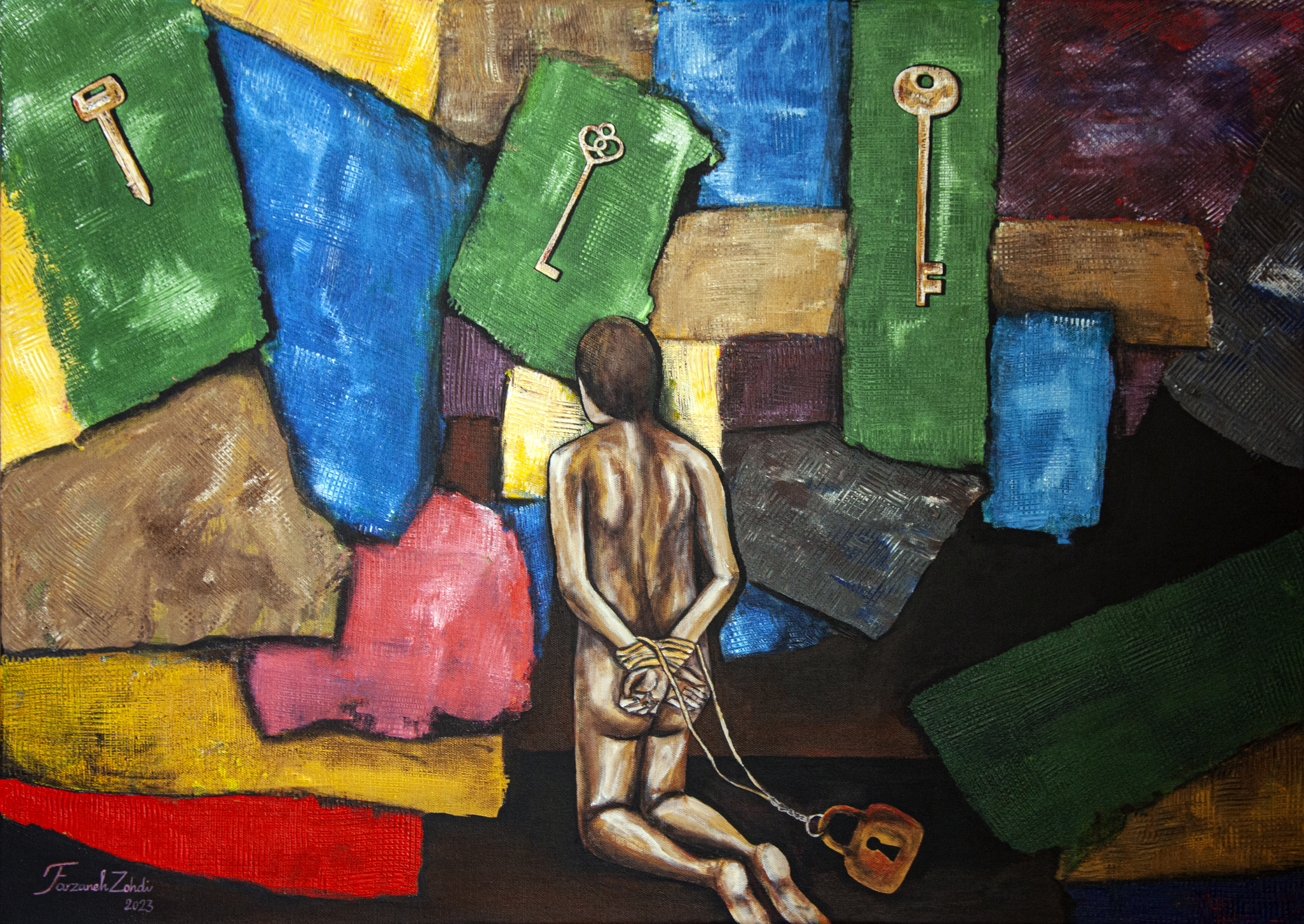
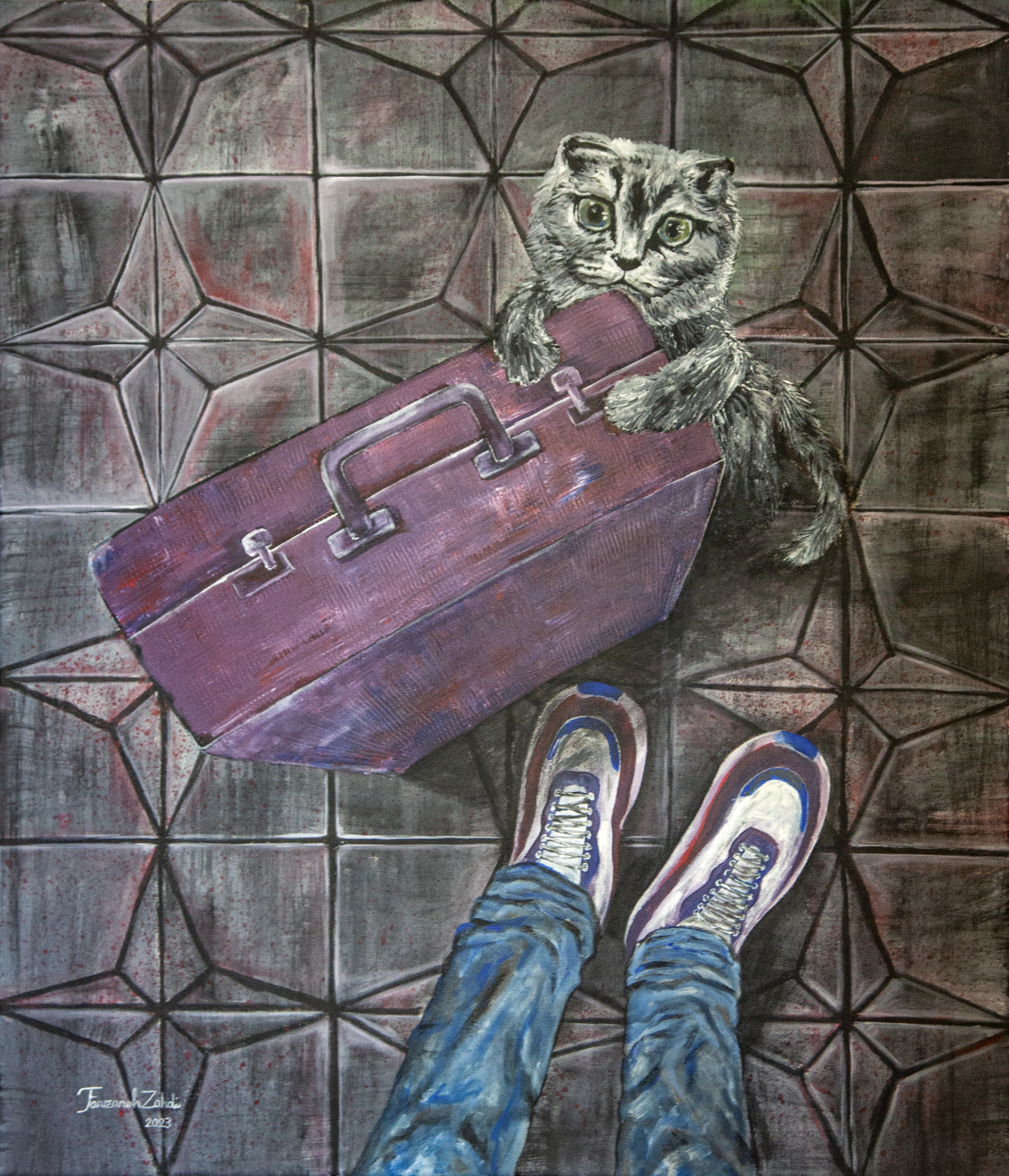
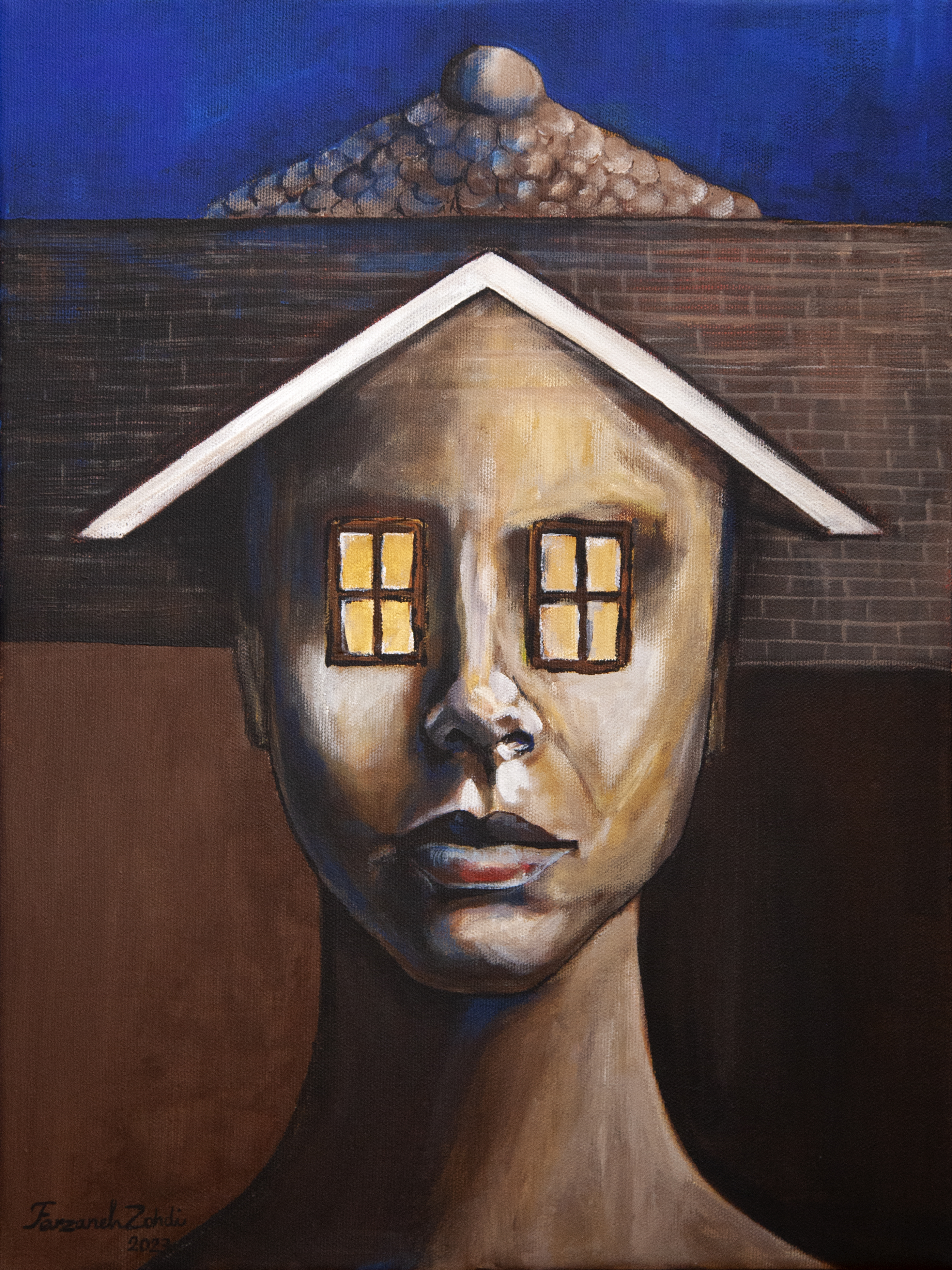
Every concept gains more depth in its absence. When we talk about ‘the homeland,’ hundreds of definitions and feelings bubble up from within our souls. But when we say “stateless,” it feels like we are falling into an unknown well inside us that is not easily describable. It is an entirely internal feeling, independent of staying or leaving the homeland. Stateless visibly manifests in migration, but it can have a hidden aspect, which is perhaps more pervasive, where a person has never set foot beyond the borders of their homeland, yet their invisible threads of emotional connection are severed, carrying ‘home’ only as a name on their ID.
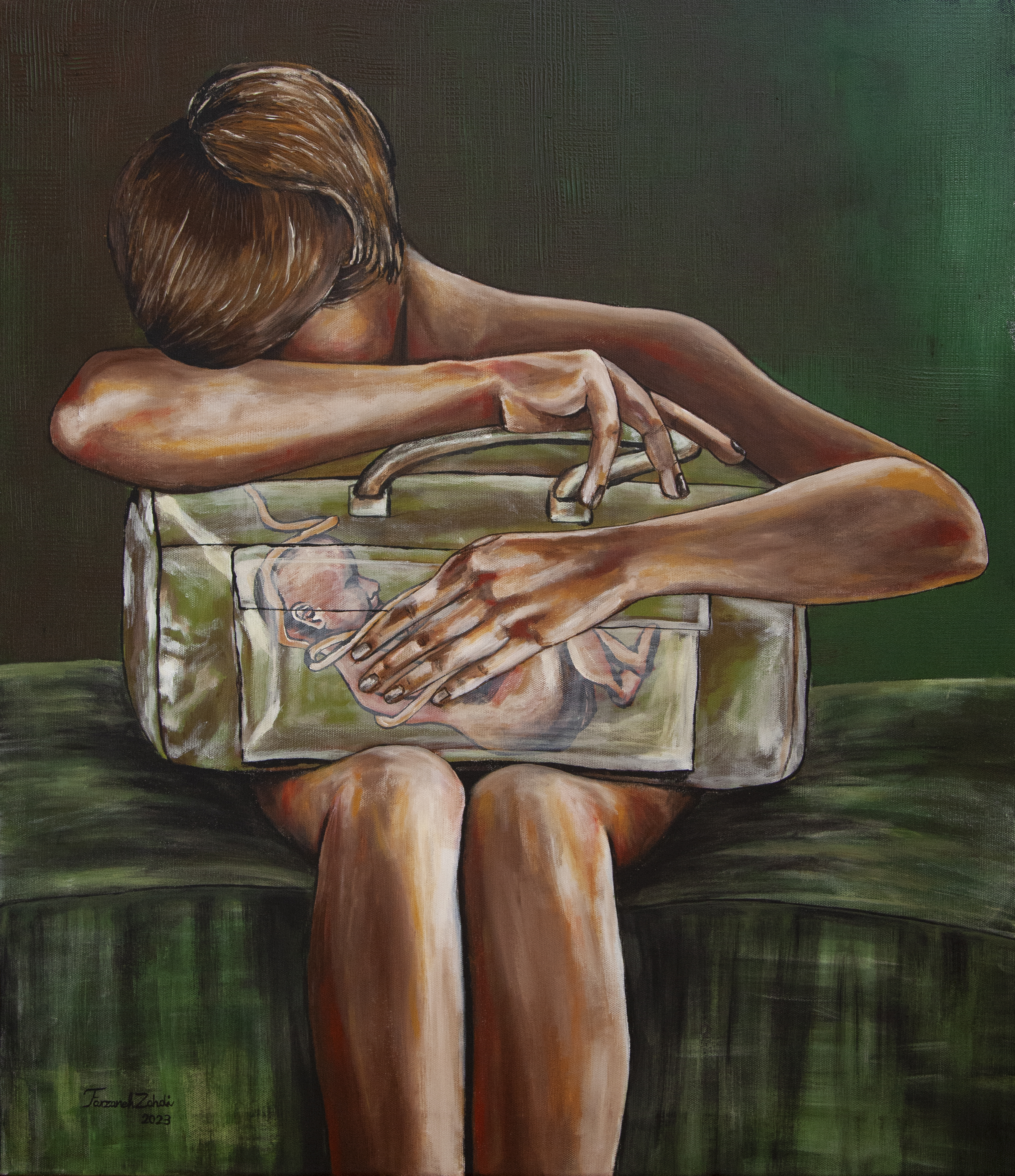
Migration imposes itself on the human psyche, as a homeland, like a parent, who brings one into the world but abandons them in a cradle in nowhere. One might survive, but they never find their true home.
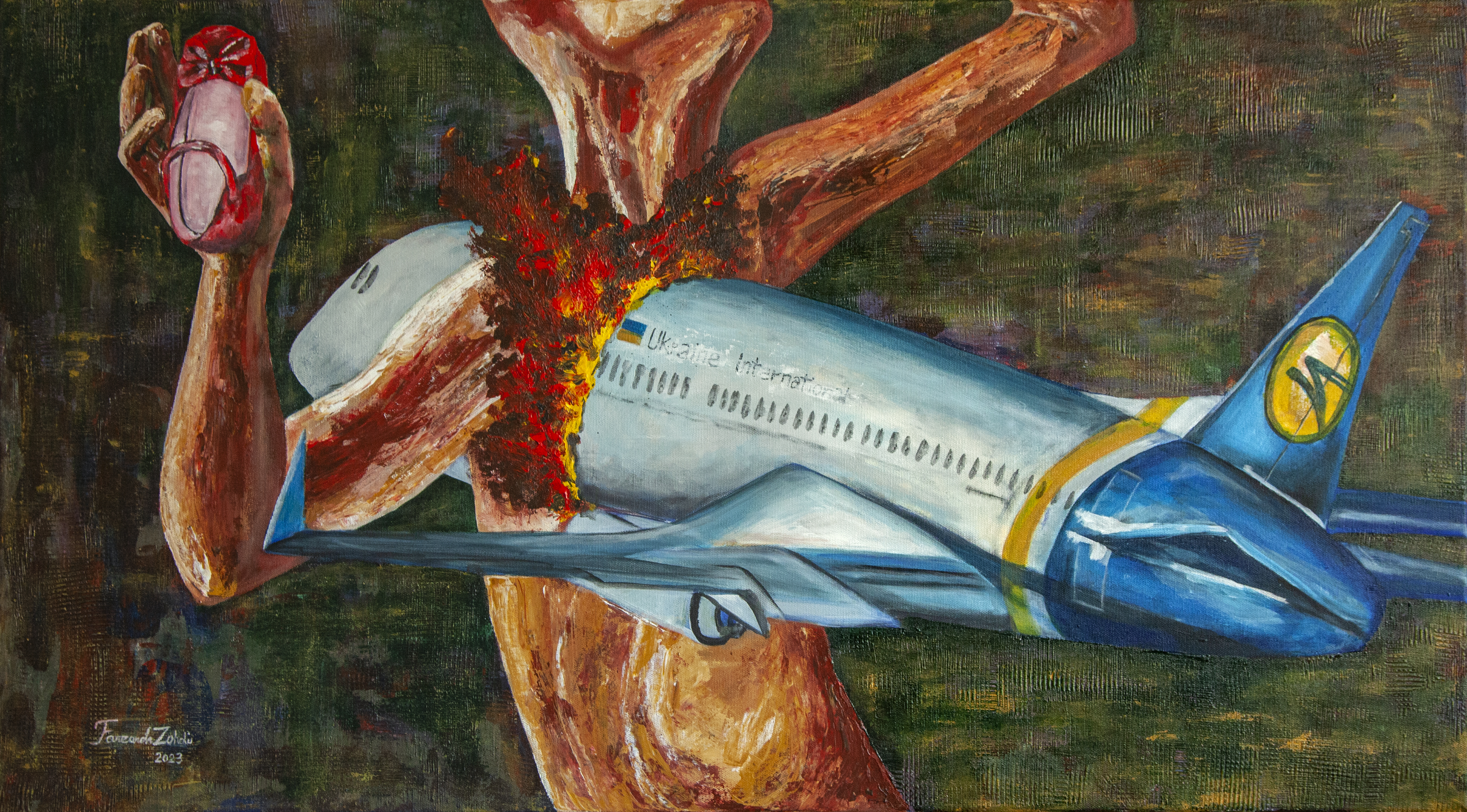
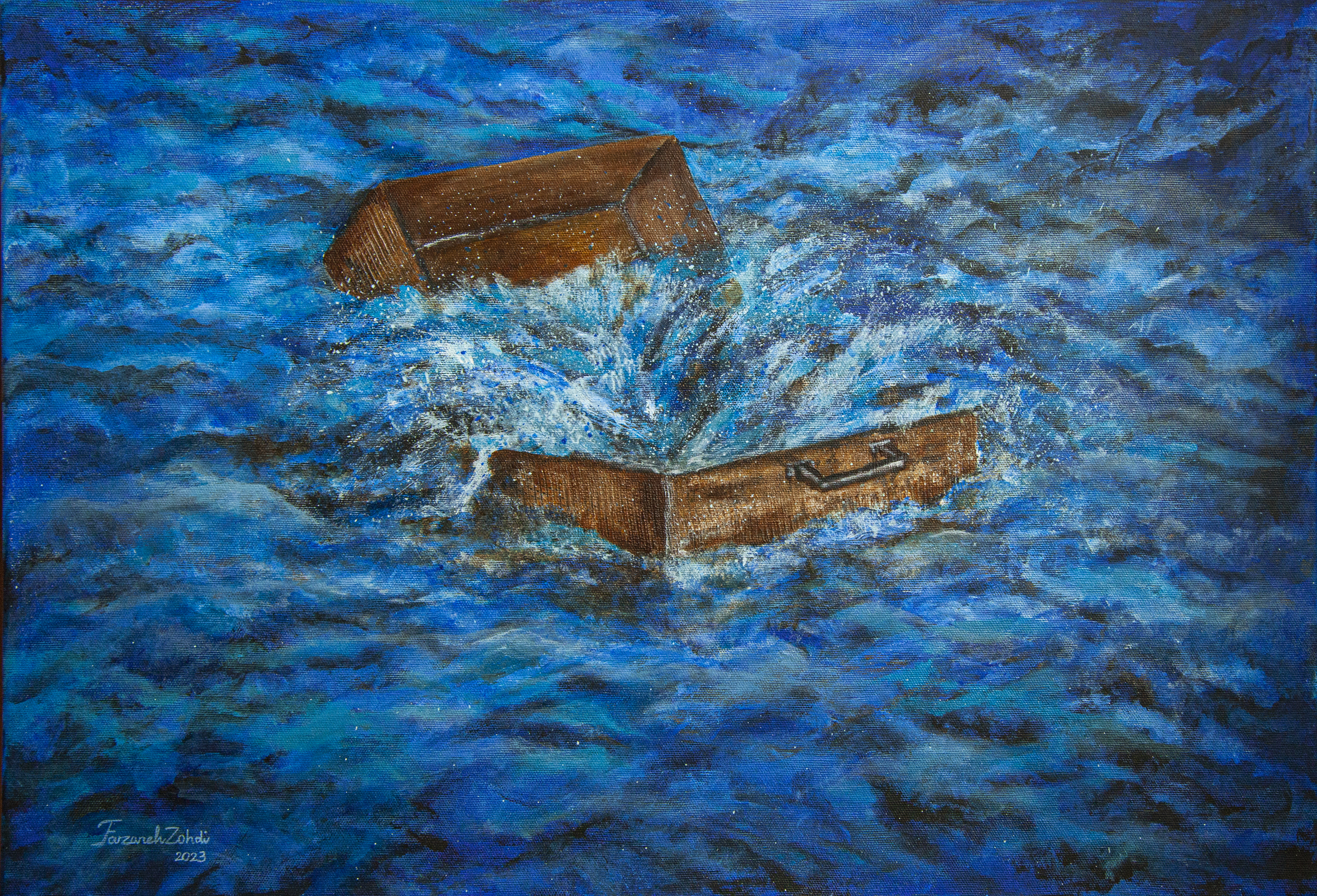
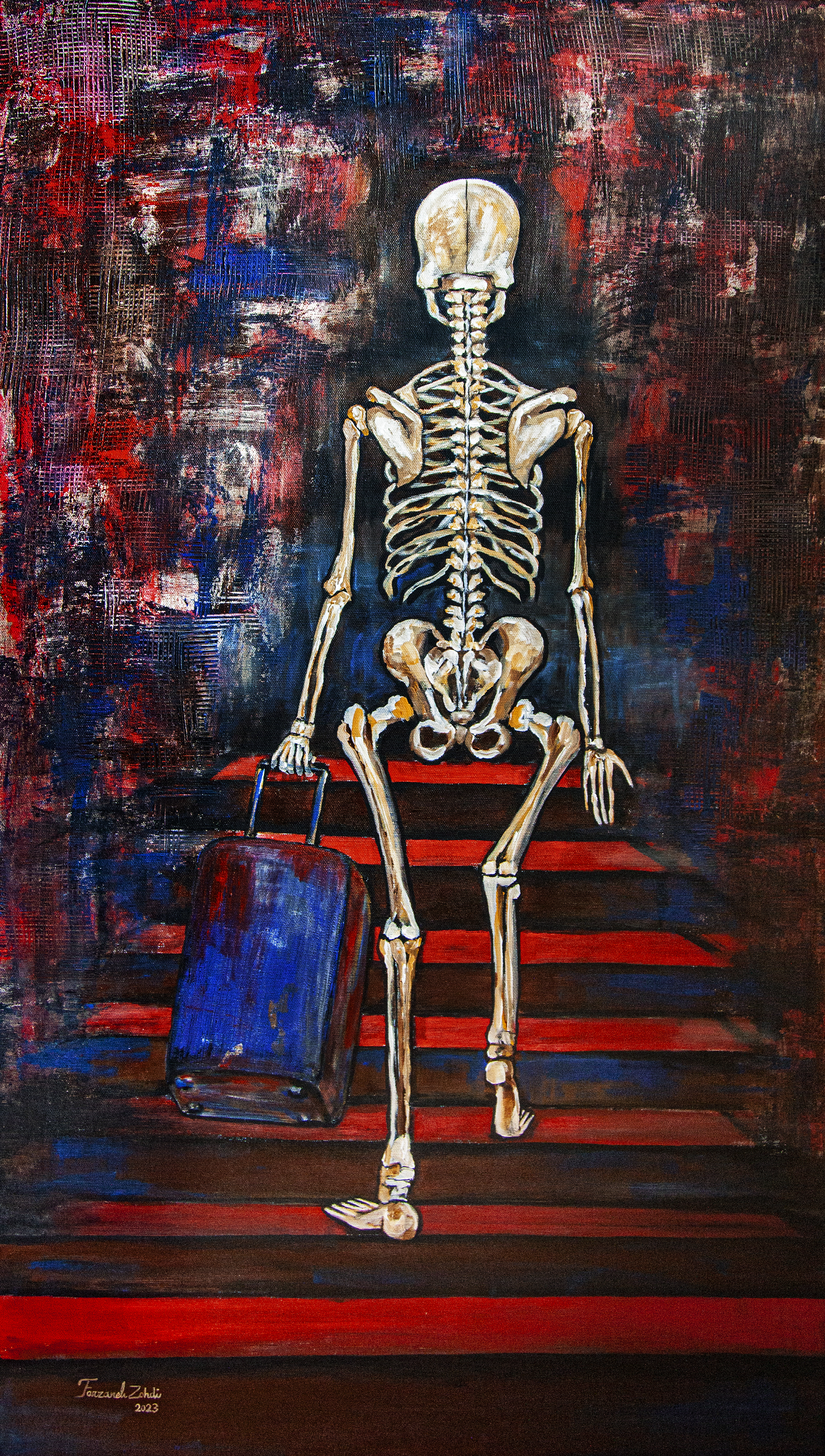
“Stateless” is a collection of human suffering, carrying the burden of displacement, with the greatest share of this suffering perhaps borne by the people of the Middle East. Choice has little place in this region. Whether someone is forcibly confined at borders, forced to pack their bags for a better life, or compelled to flee, they all share a common word: ‘stateless.’
Nazim Hikmet says in a poem:
You are my only companion in my gray hairs today,
You are my heart attack,
And you are my wrinkles on my forehead,
My homeland! My homeland! My homeland!



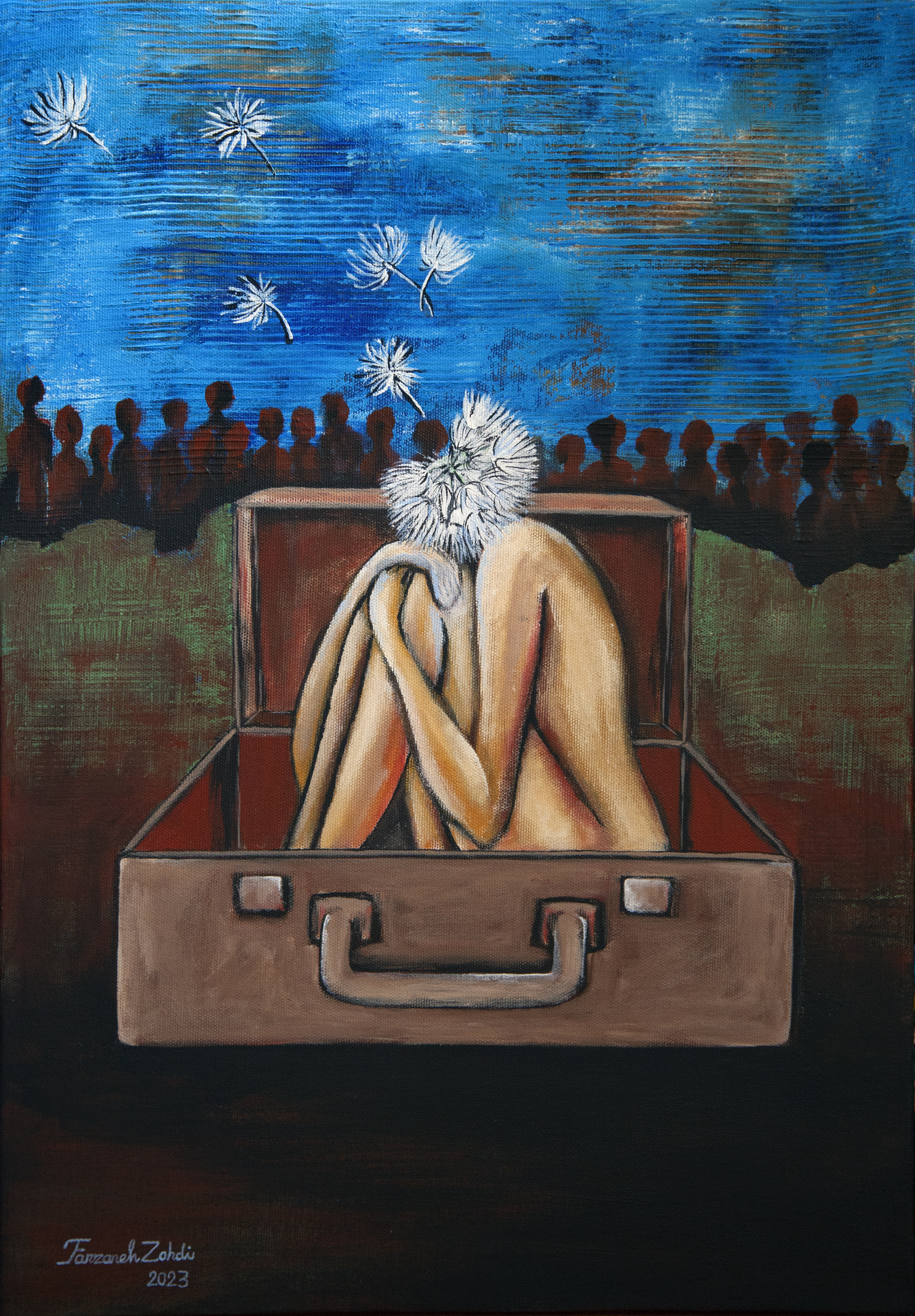
 Farzaneh Zohdi